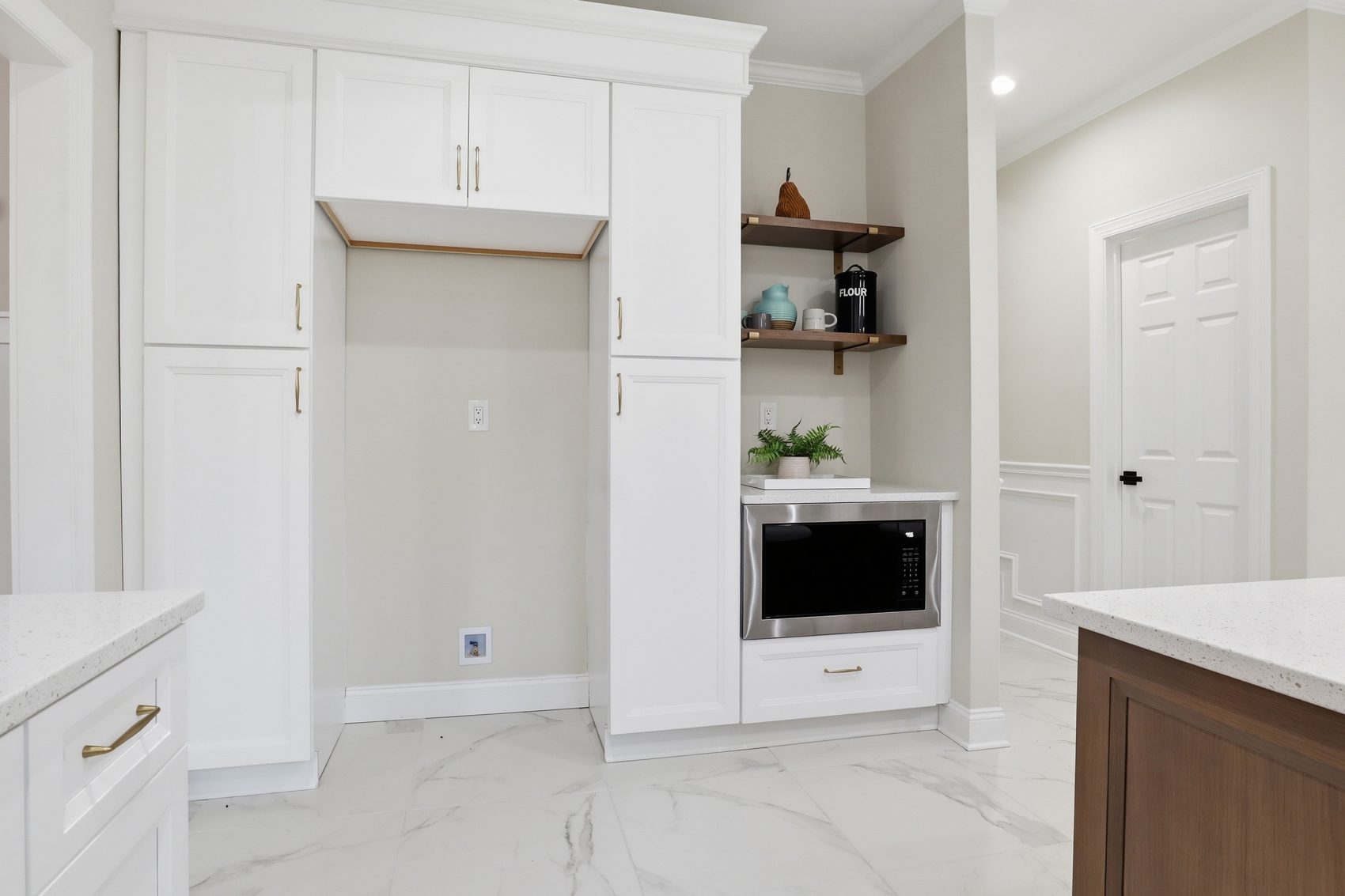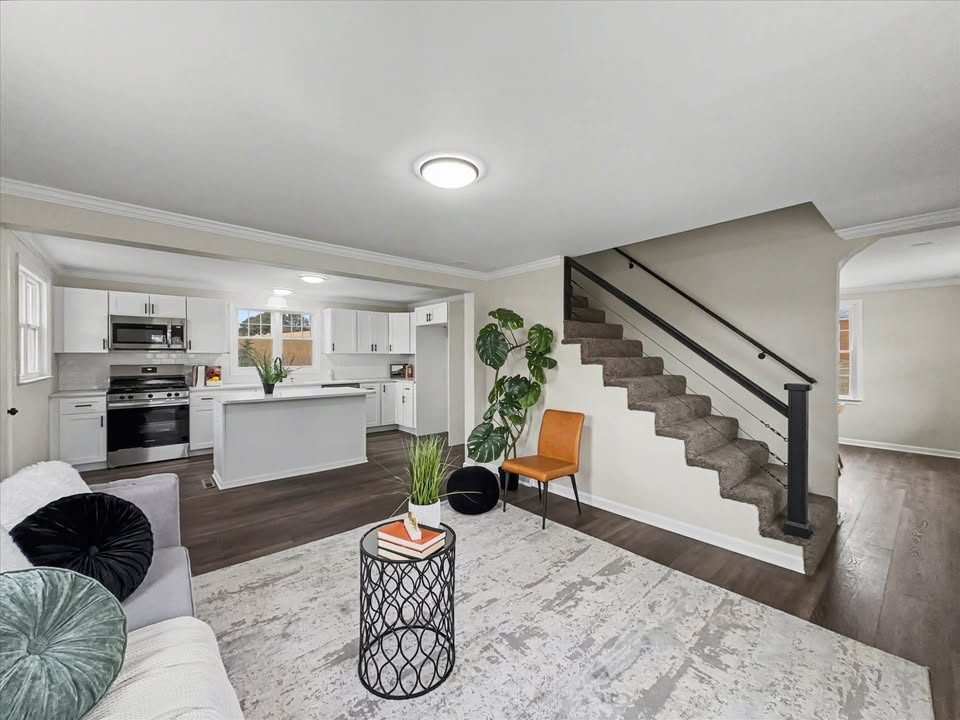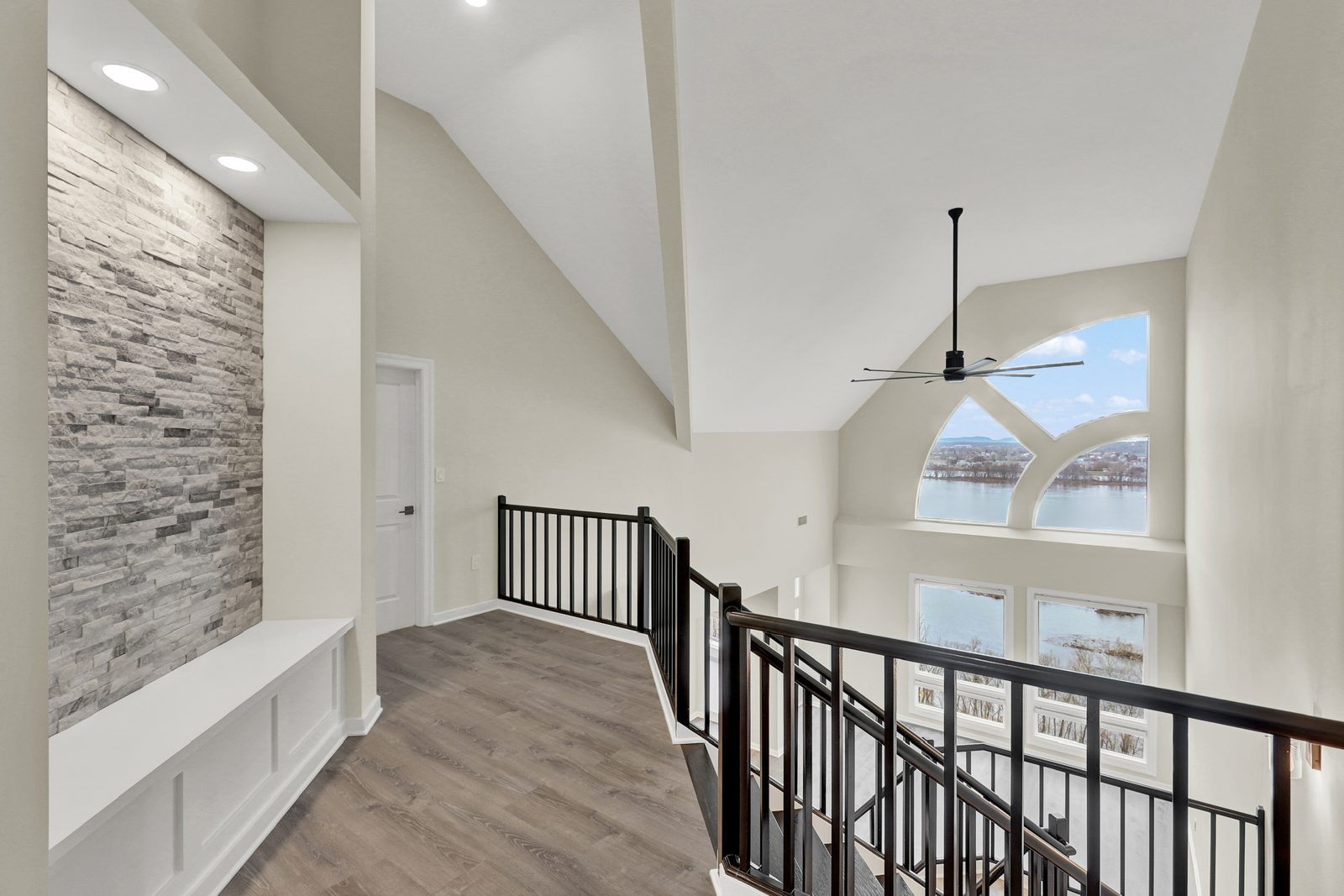

Permits, structural surprises, finish material sourcing, and the cost premium you should plan for, honest notes from a recent Victorian we walked and quoted.
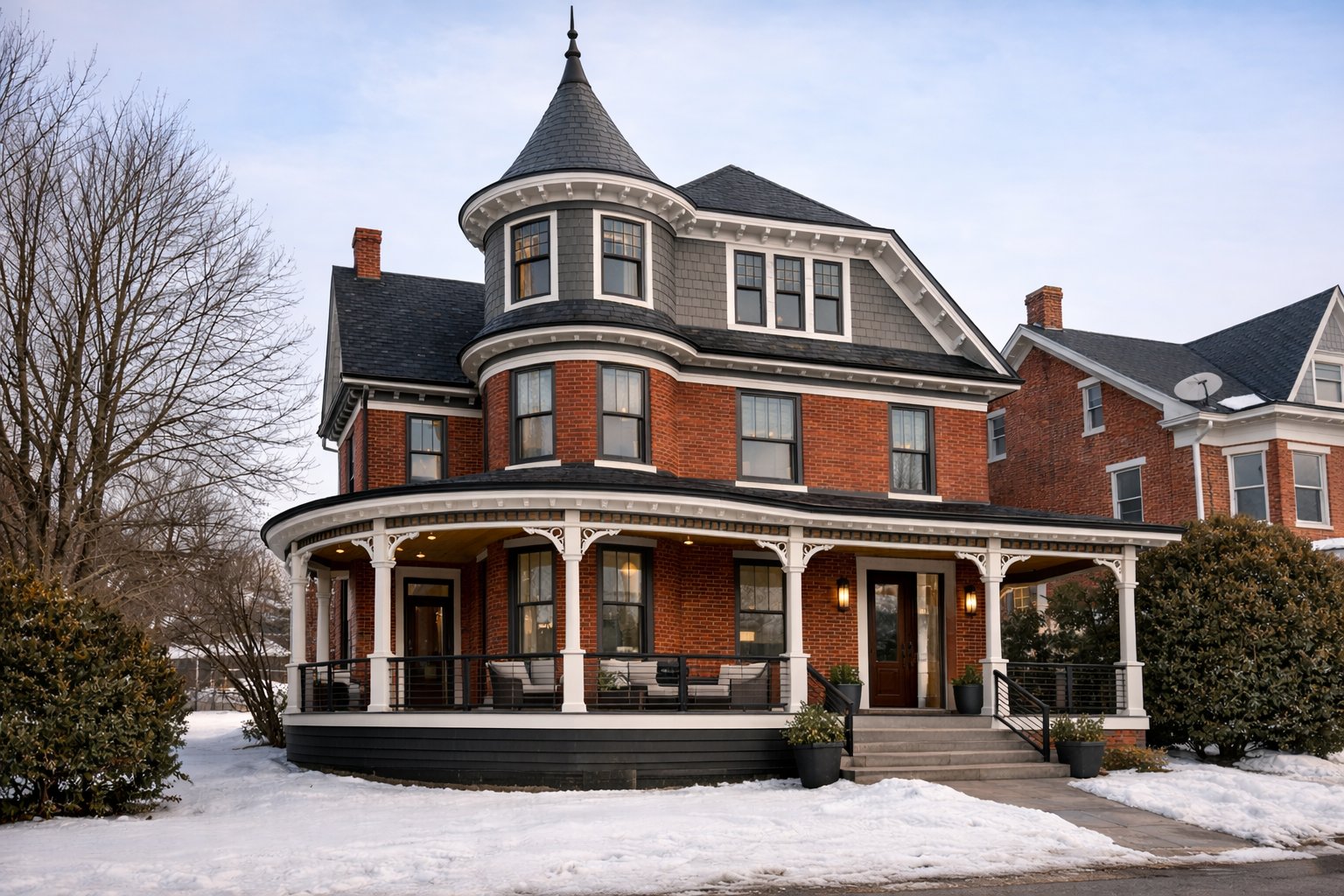
There are hundreds of pre-1940 homes quietly waiting for the right owners to bring them back, Victorians in the city, brick farmhouses on the outskirts, federal-style row houses. The visual potential is enormous. The cost potential is also enormous, and most homeowners underestimate it by 30 to 50 percent on their first attempt.
Why historic homes are different
A modern home has predictable systems, code-compliant wiring you can trace, plumbing where you'd expect it. A historic home has none of these guarantees. Knob-and-tube wiring behind plaster. Plumbing run through chimneys for reasons no one alive understands. The first three months of a restoration is largely about finding out what you actually bought.
The four hidden cost drivers
1. Permitting and historic district review
If the home is in a historic district, exterior changes go through an architectural review board. Material substitutions, window replacements, even paint colors can require approval. Plan for 8 to 16 weeks of additional permitting on exterior work, and budget for window restoration over replacement, often 2 to 3 times the cost.
2. Structural surprises
I have never opened a 100-year-old wall and found nothing surprising. Settled framing, undersized headers, galvanized lines past their lifespan, a chimney that turned out to be structural. Plan for $25,000 to $60,000 of "while we're in here" structural work that a 1990s home wouldn't need.
3. Finish material sourcing
Reproduction plaster, period-appropriate trim profiles, salvaged hardware, custom millwork to match. The trim alone on a Victorian can run $30,000 to $60,000 because the profiles don't exist as stock items, they have to be milled to match.
4. Code retrofitting
Renovated portions have to come up to current code, electrical, plumbing, energy efficiency, egress. Adding a second-floor bathroom in a 1910 home isn't just plumbing; it's often new service capacity, vent stacks through the roof, and floor framing reinforcement.
What goes faster than people expect
- Demolition. Plaster comes off cleanly; trim comes off in reusable pieces.
- Replicating details. A skilled millwork shop matches profiles faster than expected, once you find the shop.
- The reveal. Once systems work is done, historic homes transform fast. The before/after gap is bigger than in modern renovations.
Run the renovation budget math before the offer, not after. The discount you got at purchase tends to be smaller than the premium it costs to renovate properly.
For a $400,000 historic home, plan closer to 50-65% of home value for meaningful structural and systems work, plus a 20% contingency. Historic homes earn the extra five points. If you're considering a historic purchase, the most useful first call is a structural and systems assessment. Schedule a historic assessment.